


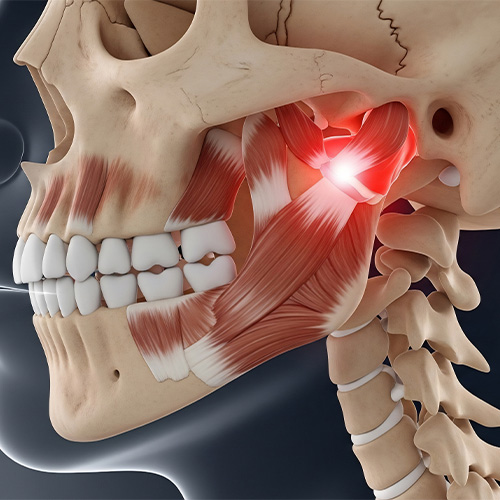
 The temporomandibular joint, or TMJ, connects the lower jaw to the head. When this joint becomes stressed, injured, or misaligned, it can cause significant pain and discomfort.This can impact one’s ability to chew, speak, yawn, and perform many other daily activities.
At Silva Dentistry, we will examine your jaw, mouth, and head to determine the cause of your discomfort. We’ll then recommend any necessary TMJ treatment to provide relief and restore your jaws to proper function.
Call (915) 591-4303 to schedule your consultation with Dr. Benjamin Silvain El Paso, Texas.
Causes of TMJ Disorders
TMJ disorders affect nearly 10 to 35 million people in the United States. It is commonly induced by many factors, including:
- Stress
- Teeth grinding or clenching (bruxism)
- Trauma or injury to the head, neck, or jaw
- Arthritis in the joint
- Misaligned bites or jaws
Signs of TMJ Disorders
If you’re experiencing one of the following signs or symptoms, you may have a TMJ disorder. Schedule an appointment with our dentistry team to find relief through TMJ treatment.
- Grinding, clicking, or popping sounds when you move your jaw
- A locked or stuck jaw
- Inability to open your mouth wide to speak, eat, or yawn
- Pain when chewing and biting
- Frequent facial and jaw pain
- Pain or stiffness in the neck, ears, and shoulders
- Frequent headaches or migraines
- Ringing in your ears (tinnitus)
Types of TMJ Pain Relief Treatments
Several treatments are available, and we will work with you to determine which will be most effective for you. TMJ treatment may include:
- Jaw and facial relaxation exercises
- Restorative dental treatments
- Mouth or night guards
- BOTOX® injections
- Jaw surgery
- Lifestyle changes
What to Expect from a TMJ Treatment
TMJ disorders can be diagnosed during a dental checkup or a physical examination from your primary care doctor. During a dental appointment, Dr. Silva will observe your range of motion and identify areas of discomfort. Afterward, we recommend X-rays to determine severity.
From there, Dr. Silva will first explore noninvasive TMJ treatment options, such as nonsurgical treatments and medications. If you’re still experiencing discomfort, you may need jaw surgery.
What Happens if TMJ is Left Untreated?
For some individuals experiencing minor discomfort, the symptoms can resolve on their own or with the help of over-the-counter pain relief medication. However, ignoring the problem can lead to more complications over time. A common consequence of untreated TMJ is chronic pain, which can significantly impact your quality of life.
Additionally, TMJ disorders can lead to the degeneration of the TMJ joint itself, leading to decreased jaw mobility and deteriorated dental health. TMJ can also cause uneven wear on your teeth, leading to tooth decay, gum disease, and other oral health problems. In this case, you may need additional dental work.
Frequently Asked Questions about TMJ Treatment
What is the most successful treatment for TMJ?
Generally, oral appliances, like splints or mouth guards, are the best treatment options for TMJ since they’re noninvasive. However, if oral appliance therapy doesn’t work, TMJ can be treated with braces if caused by misalignment, bite problems, or surgery.
Is TMJ a medical or dental problem?
TMJ is both a medical and dental problem. Arthritis, a condition that causes inflammation in the joints and other body parts, can lead to a TMJ disorder. However, TMJ is most commonly associated with dental problems since it can disrupt a person’s jaw and teeth.
What are the stages of TMJ?
There are four distinct stages of TMJ. They can be identified by the following characteristics:
- Stage 1: Minimal symptoms, like painless clicking and no limitation of motion.
- Stage 2: Increased symptoms, occasional painful clicking, locking, and frequent headaches.
- Stage 3: Persistent pain, joint tenderness, restricted movement or motion, and closed locks.
- Stage 4: Significant pain, limited jaw movement, and joint degeneration .
What preventive measures can I take to avoid TMJ dysfunction?
TMJ can’t always be prevented, but there are measures you can take to reduce your risk. Try wearing a mouth guard at night if you clench or grind your teeth or play contact sports. Practicing good posture and using stress reduction techniques may also help.
How long does TMJ disorder last?
TMJ affects everyone differently. For some, it can be a temporary issue that vanishes in a week or two. Meanwhile, for others, it can be a chronic condition that negatively impacts their quality of life.
Can TMJ be cured?
Yes! TMJ disorder or dysfunction can be cured with the proper treatment and management.
When should I see my dentist for TMJ-related issues?
If you frequently experience jaw pain or TMJ symptoms, see your dentist or primary care provider for treatment.
TMJ Treatment at Silva Dentistry
Silva Dentistry has long provided patients with affordable, compassionate procedures to treat dental issues and TMJ disorders. Contact us today at (915) 591-4303 or visit our clinic in El Paso to inquire about our TMJ treatment options.